給人感受到那份誠意,才是最重要的! | Jan Jan Kushikatsu 串揚專門店 | 灣仔美食 | HK Japanese Skewers
Jan Jan Kushikatsu 是香港第一家日本的串揚專門店,是老闆Kevin在日本旅遊時發現,並帶回香港的美食!餐廳總店來自大阪,是當地人氣串揚連鎖專門店。Kevin取得這個品牌加盟權的過程並不簡單,因為日本人對於將自己的品牌授權給其他人非常謹慎,但經過多番努力,終於都得到了對方社長的信任,並在日本學習了幾個月時間。
Jan Jan除了招牌的串揚外,串燒也是非常受歡迎的選擇,吸引了不少食客專程前來品嚐。這裡不僅僅是一個享用串揚和串燒的地方,更像是一間居酒屋,許多下班後的人們會專程前來,享受一杯啤酒配上美味的串揚串燒,體驗生活的樂趣。
串揚和天婦羅的起源可以追溯到16世紀,當時是從葡萄牙傳入日本的。西方人原本就會使用麵粉來炸食物,這種技術傳入日本後,逐漸演變成我們今天所知的串揚和天婦羅。
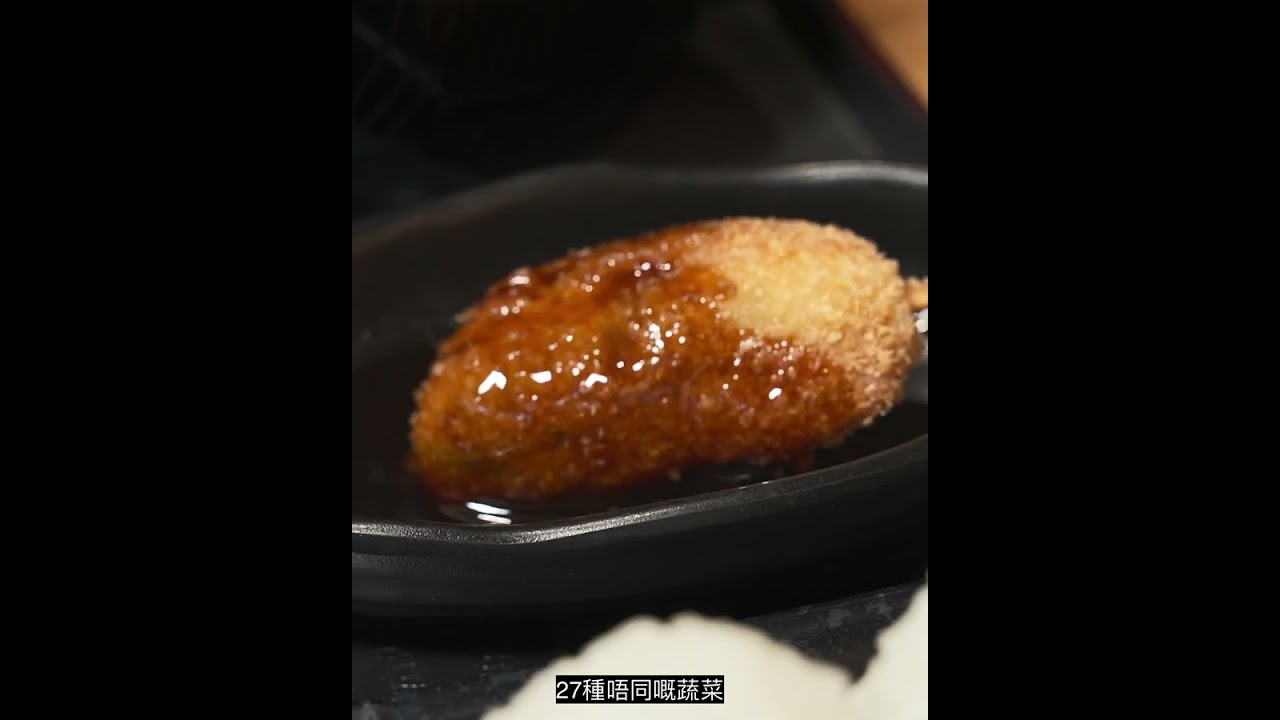
串揚之所以是以串的形式出售,是因為以前在沒有桌椅的街邊攤位售賣,顧客只能站著吃,一手拿着清酒,另一手拿着炸串。因此,食物被串起來以便於單手食用。由於雙手都被占用,顧客無法拿住醬汁容器,於是醬汁被倒進大盤子中,讓顧客將整串肉串浸入其中食用。因為醬汁是共享的,再次蘸取已經吃過的炸串被視為不禮貌,所以「禁止雙重浸漬」的規則由此產生。這種做法與握壽司攤提供醬油、天婦羅攤提供天婦羅醬一樣,是日本人熟悉的習俗。
店舖地址: 灣仔皇后大道東100-102號鉅芝樓2樓
訂枱電話: 21571408
營業時間: 12:00-15:00 / 18:00-23:00
------------------------------------------------------------------------------------------------------------
Jan Jan Kushikatsu is Hong Kong's first authentic Japanese kushikatsu specialty restaurant, discovered by owner Kevin during his travels in Japan and brought back to Hong Kong! The flagship store hails from Osaka, a popular kushikatsu chain in the area. Securing the franchise rights for this brand was no easy task for Kevin, as the Japanese are very cautious about licensing their brands to others. However, through persistent efforts, he finally gained the trust of the company president and even spent several months learning in Japan!
In addition to its signature kushikatsu, Jan Jan also offers popular yakitori, attracting many customers to come specifically to taste these dishes! This place is not just for enjoying kushikatsu and yakitori; it's more like an izakaya where many people come after work to savor a beer with their delicious kushikatsu and yakitori, enjoying the pleasures of life.
The origins of kushikatsu and tempura can be traced back to the 16th century when these techniques were introduced to Japan from Portugal. Westerners originally used flour to batter and fry food, and this method evolved into what we now know as kushikatsu and tempura after being adopted in Japan.
Kushikatsu is sold on skewers because it was traditionally sold at street stalls without tables or chairs, where customers had to eat standing up, holding sake in one hand and the skewer in the other. Hence, the food was skewered for easy one-handed consumption. With both hands occupied, customers couldn't hold the sauce container, so the sauce was poured into a large dish for dipping the whole skewer. Since the sauce was shared, re-dipping a half-eaten skewer was considered impolite, leading to the "no double dipping" rule. This practice is similar to how sushi stalls provide soy sauce and tempura stalls offer tempura sauce, which are familiar customs in Japan.
Address: 2/F, Kui Chi Mansion, 100-102 Queen's Road East, Wan Chai | Tel: 21571408
------------------------------------------------------------------------------------------------------------
Please Like Comment & Share if you enjoy my videos!
For more videos please check out the link below! 👇🏻👇🏻👇🏻
🫣🫣🫣更多美食紀錄片:
https://youtu.be/LHn_u5cyO4I
https://youtu.be/NuKl0TWWRLA
https://youtu.be/mBAza53B_ww
https://youtu.be/im4RcYH8kNg
https://youtu.be/itfZUGpjXKw
https://youtu.be/aAhxW-38ojU
https://youtu.be/MPfKQYH1P3Q
https://youtu.be/NRT34WP346c
https://youtu.be/QCLdD8nyrbc
https://youtu.be/c15WOzue5fI
https://youtu.be/oIzeuaDRALg
https://youtu.be/bWAnJUmYMsY
https://youtu.be/xB3lLiM6QNI
#JanJanKushikatsu #香港美食 #日本串揚 #串燒 #居酒屋
觀看 4,595按讚 157留言 34
觀看影片 ↗